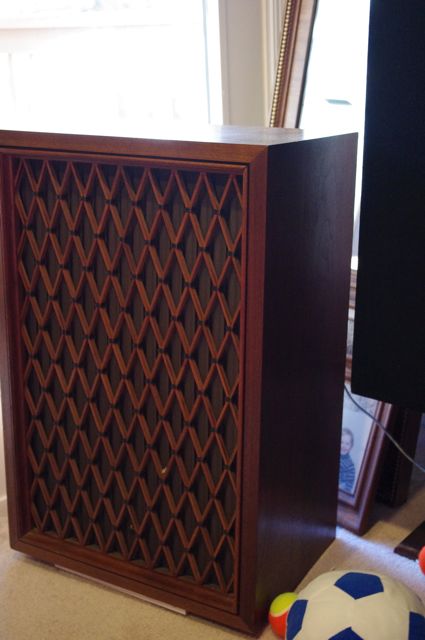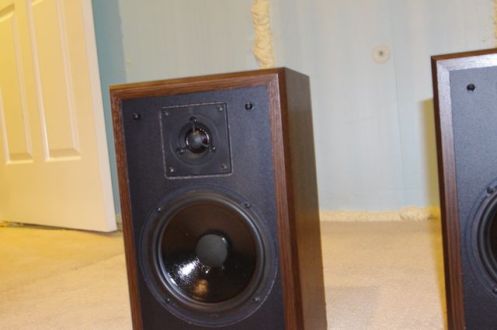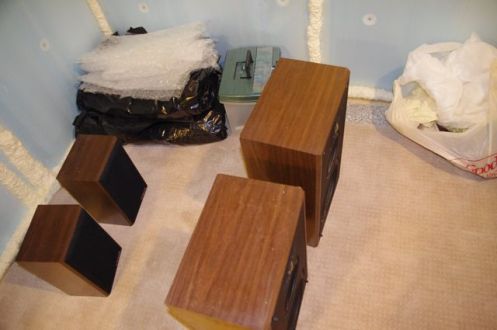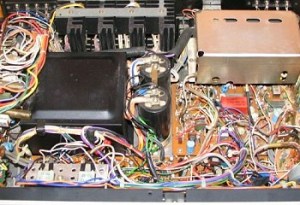
Old Reliable: Harman Kardon 3380 Receiver

•December 27, 2012 • Leave a Comment

harman-kardon-hk-3380

I love the look of vintage receivers. I love their sound too, most of the time. There’s a lot of character there and a richness of detail that is often lacking in modern gear.

But vintage receivers are finicky. They have old components that need cleaning and replacing. They don’t fit in with all decor. They don’t have remotes. Sometimes they don’t have a high Wife Acceptance Factor (WAF, dependent on model and wife).

What do you do when you want the best of that full vintage sound but don’t want to let go of modern conveniences?

Well, if you’re like me, you can’t afford new high-end 2-channel gear, and it seems like all the middle-of-the-road stuff nowadays is 5.1 or HT-optimized.

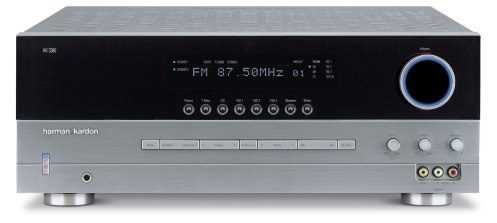
I found a listing for this Harman Kardon 3380 on CL and took a chance. It’s an honest 2-channel stereo receiver, pushing out 80 watts per channel. This is more than most of the vintage gear I have running through here.

It doesn’t have Dolby, or video upcoding, or multi-channel playback. It does have video pass-through and a line out for subwoofers, however, so you can use it for basic stereo home theater duty, which I did.

The best part about it for me was the honest sound – It has a great and flat frequency range and good separation. It’s clean. But it has some bass thump too – not as much as some of the older Pioneer and Sansuis, but it’s there. With the remote it’s great for A/B speaker testing – you can go sit in the sweet spot in your room and switch back and forth between speakers without getting up.

It’s got the classy and understated H-K look too – black over silver. I like it. My wife loves it.

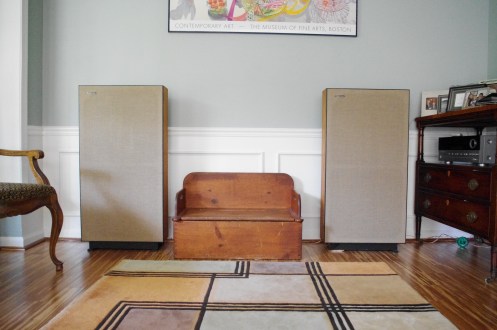
It’s got plenty of power and pretty much everything you need. I have it set up in my living room now, powering my Klipsch KG4s. It doesn’t really do audiophile-grade playback duty there- most of the time it’s set to classical radio, some CDs, or Pandora for when we’re entertaining or eating. The Harman-Klipsch pairing is probably the best so far. With the Klipsches about 8″ from the back wall, they produce honest and musical bass very low down.


It’s not you, it’s me: Polk Monitor 10s

•December 27, 2012 • 2 Comments
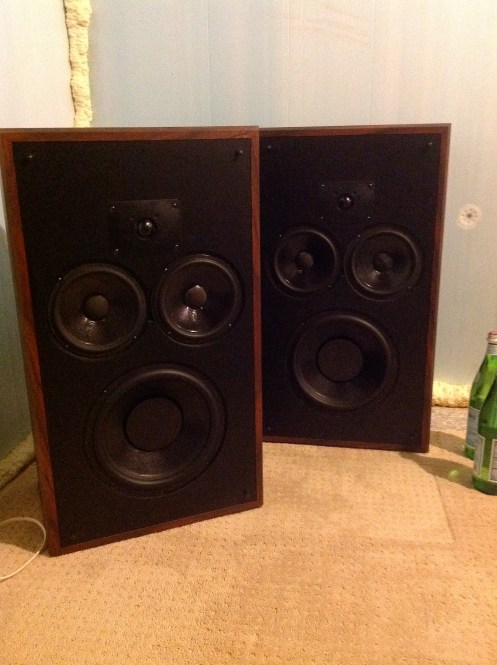
Polk Monitor 10s in storage

Polk Monitor 10s in storage

I was very excited about these speakers – I got a line on them the same week I picked up the Pioneer HPM-100s. I thought they would be a good match up – both were full-size floorstanding speakers, lauded for their ability to handle all frequencies and put out some serious power.

After being smitten by the Polk Monitor 7s (and preferring the 7’s sound to almost anything else I could find) I was sure that the 10s would simply be more of what I already loved – great imaging and clarity, even frequency response. This pair also came from a nice guy on the Polk Forum who had replaced the original SL2000 tweeters with Polk’s upgraded replacement design, the RD0-194. Heck, they even came with the original stands!

A little about the 10s – Just like the other speakers in the Polk Monitor line, the 10s were a sealed design utilizing a passive radiator for low frequencies. Both the Monitor 7 and 10 used the same size radiator (called by Polk a ‘passive fluid coupling’, where the fluid is air inside the cabinet). Whereas the 7 used one 6.5″ driver and a tweeter ,the 10 used two drivers with slightly different crossover values to produce a wider range of frequencies.

Thanks to the dual drivers and the bigger cabinet, the bass response of the 10 was definitely augmented over the 10s – it’s not clear whether it was ‘improved’ or not. Bass seemed to get lower and there was definitely more of it – harder hitting and more prominent. But is more better?

Playing the 7s back to back with the 10s I found that the stereo image was not as clear with the 10s as the 7s – the 7s seemed to have a clearer image, perhaps with a trade-off in smoothness at the top end and full bottom. But placement and eq could round out the 7s, and I couldn’t get the 10s to really work for me. Moreover, with the bass-heavy vintage systems I was using in my living room (Pioneer SX-9000 and Sony STR-7065) the 7’s bass was sufficient and the 10s got boomy.

In an A/B test with the HPM-100s, the 10s seemed t obe more accurate, clearer, and with improved imaging. But for some reason I kept coming back to the HPM-100s – the sound was just more enjoyable, even if I knew it was technically less accurate.

It was weird – on paper, the 10s were awesome – great bass response, accurate treble and a great new tweeter, good imaging. But I couldn’t get comfortable with them.

So the 10s went in storage while I enjoyed other speakers – you can only listen to one set at a time!

Eventually another great guy from the Polk Forum, Rick, brought over some of his vintage Polk Monitors (7As and 5As) for a demo. We worked out a trade for those 5s and 7s in exchange for the 10s. While we did, I pulled the 10s out for a demo on my new Pioneer VSX-820 home theater receiver.
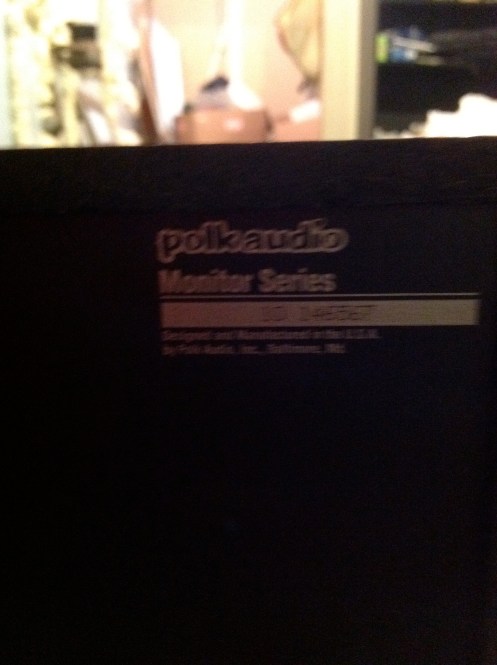
IMG_0013

Holy cow!! The 10s were amazing! Absolutely breathtaking! Up on stands and set about a foot from the wall, the new Pioneer made those new tweeters sing. All the boominess and laid-back highs of the 10s were gone. They sounded like 7s but MORE, and in a good way! I almost put them back in storage and said ‘no deal’ but I was too into the trade we were about to make ,and off they went with Rick to make some other camper happier than I’d ever been.

Another lesson learned – placement and amp can do a lot to change a speaker’s characteristics. It was only at that last demo that I understood why everyone raved about the new RD0-194 tweeters. The SL2000s in the 7s have a jump in output at certain frequencies (I think around 12khz), which makes them fatiguing and bright on some amps. The new tweeters, which are a drop-in replacement, take care of that – they are more accurate and less in your face than the SLs, and are supposed to be more accurate than the original Peerless tweeters, which are highly sought after themselves (my Polk 7As and 5As have them, stay tuned).

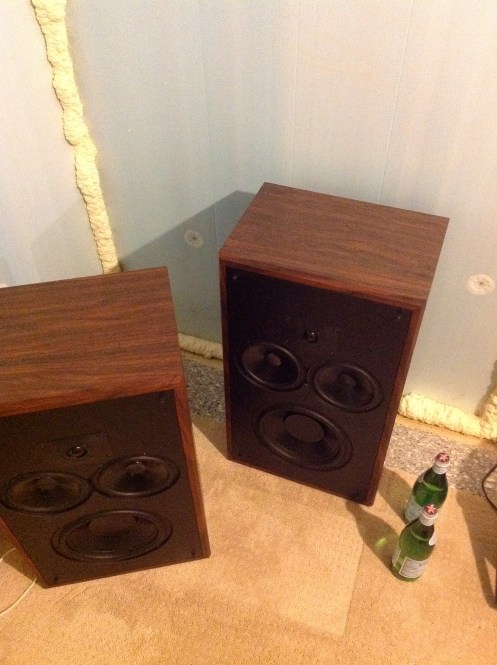
This set of 10s was also in mint condition. The grilles were perfect and the finish, which I would describe at a rosewood veneer, was spotless. I think that this was a textured vinyl veneer but I am not sure. It was definitely different from the kitchen drawer-liner type of covering on the 7Cs I had. In any case it looked great.
IMG_0011

I won’t be tempted to go for another set of 10s, but I would love to mod a set of 7s with the new tweeter. In the future I’ll be recapping my Polk 7As and I can’t wait to hear how they change.

One of the great things about the vintage Polks is the huge community that’s sprung up around them, the great and helpful folks you come in contact with, and the large amount of cheap and easy modifications (and advice on how to do them) that are out there. Loads of fun.

Big and Tall: Boston Acoustic A200s

•December 27, 2012 • 8 Comments

Boston Acoustic A200s

These are neat. I found them for sale not far from me and had to go take a look. I was impressed and they came home.

The A200s are huge 3-way speakers and measure 41″x21″x6″ – tall, wide and thin. The top of the Boston Acoustic A line, they were meant to be placed against walls, and the shallow and wide construction was said to aid in sound dispersion. I read somewhere that Boston made these as their ‘no compromise’ speaker. I have to agree from a construction standpoint, these are top-notch. The oak veneer is thick and well-made. The grilles are an attractive tan cloth, and on my pair, in perfect condition.

Boston Acoustic A200

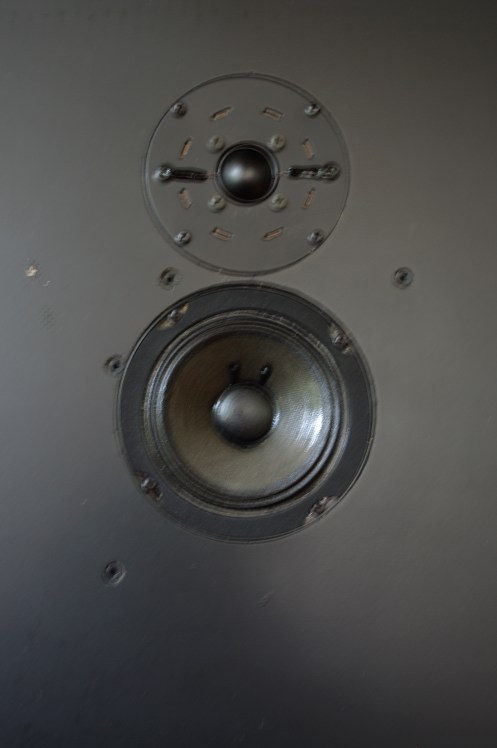
The sound is great. These are 3-ways, with a 10″ woofer, 4″ mid and a SEAS tweeter, at least in my early model – later models had a proprietary dome tweeter. Rated at about 90db/w at one meter, these should be pretty efficient too.

IMGP0238

At first they went into my living room, where all these pictures were taken. They produced clear and honest sound. I was never extremely smitten with them, however. My conclusion was that they were too much speaker for the room – they were pretty close together on a narrow wall, and at lower volumes they didn’t seem to work too hard. At higher volumes they came alive however, pushing out increased bass and reaching up high. Eventually they went into storage – they were pretty but I was getting bored, and they were big. It wasn’t easy to move them around (they weigh 60lb apiece) so they stayed hidden.

I pulled them out to demo for a potential buyer in my basement, which is a much more ideal listening environment. We put on some symphonic music and stood back. They were much more enjoyable than I remembered – at standing height you’re facing the mids and tweeters and the low woofer placement makes for a big sound. The highs and mids were full, and with some watts the bass  reached down low and stayed accurate. I switched to a pair of Polk Monitor 7Cs in the room with me and it was as if I’d dropped a beach towel in front of the speakers. The 200s gained a reprieve.

I began to re-think the 200s, and impressed with their performance in my basement, considered swapping my Polk Monitor 7As out for my front surround HT speakers – these speakers are also my go-to for music listening in the basement. There is just enough room on either side of my projection screen to fit these in, and with their spotless veneer and tan grilles, fit in to the decor well.

IMGP0233

I bought some upgraded 5-way binding posts for the 200s to swap out the old-school screw posts currently on the back. When I pulled out the woofer on one of the speakers to take a look inside, I made an important discovery – replacement woofers!

!!!!!!

!!!!!

My ostensibly original Boston A200s were butchered!

!!!!

The surrounds on the Boston A line speakers all deteriorate and have to be replaced, and evidently one of the owners before me decided not to do a refoam and purchased replacement drivers from Parts-Express. I looked online and found the new drivers right away – GRS 10″ woofers, which are indeed available on Parts-Express. When I read their specs, I was struck that the efficiency of the new woofer is about 87db/watt, much lower than the stated 90db/watt of the A200 overall. Could this be why to my ears it takes a lot of power to ‘wake up’ these speakers – the woofers need more juice to perform? So one mystery was solved, but another dilemma was opened – should I try to bring these speakers back to original condition, leave as-is, or try to find a more suitable replacement woofer? Surfing the forums, it seems that a Dayton Classic 10″ woofer is almost a perfect drop-in replacement for the original. Some day I may take the plunge. However since I already like the sound of these and intend on using them paired with a subwoofer for HT and music duty anyway, I’m not in any hurry. And they do sound amazing as-is – when they have a few watts behind them the walls do shake!

IMGP0236

Wow! Pioneer SX-1250

•December 24, 2012 • 1 Comment

IMAG0781 IMAG0783

I’m very excited! This just followed me home. I’ll have a review later on after a good cleaning and demo. But had to share some pictures….

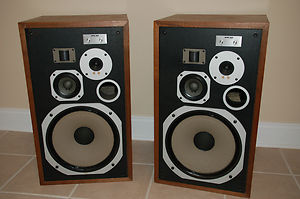
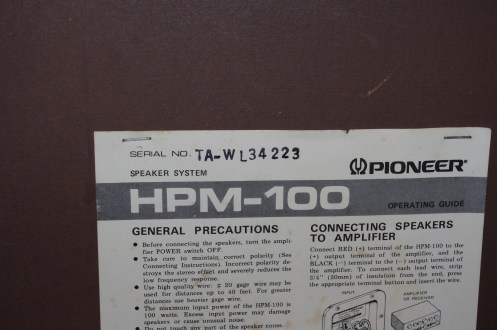
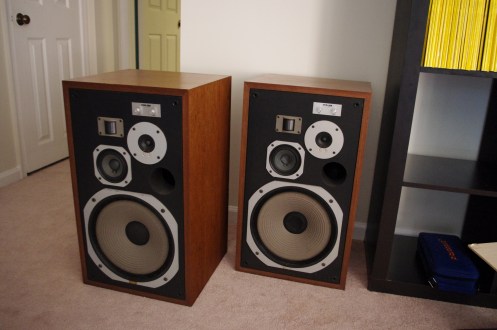
In deep – Pioneer HPM 100

•December 17, 2012 • 3 Comments

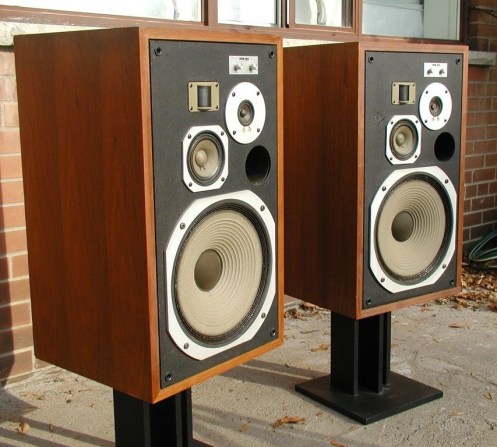
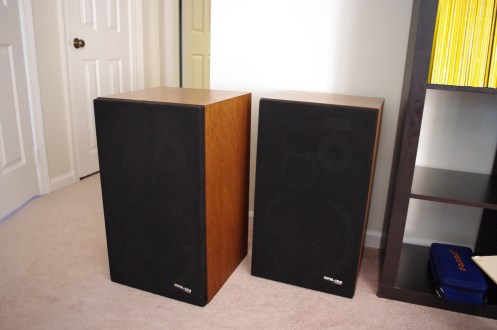
Pioneer HPM 100 3

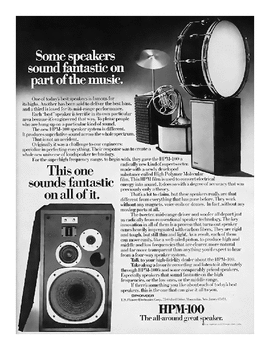
I’d long read about the iconic Pioneer HPM 100s when I began researching vintage stereo equipment. People either loved them or hated them – opinions were split on the sound, which was either amazing, detailed and rich, or shrill and nasty, depending on who you ask. Funnily enough there was an agreement on both sides that the HPMs were one of the quintessential rock speakers of the 1970s, up there with the JBL L100s. Go figure.

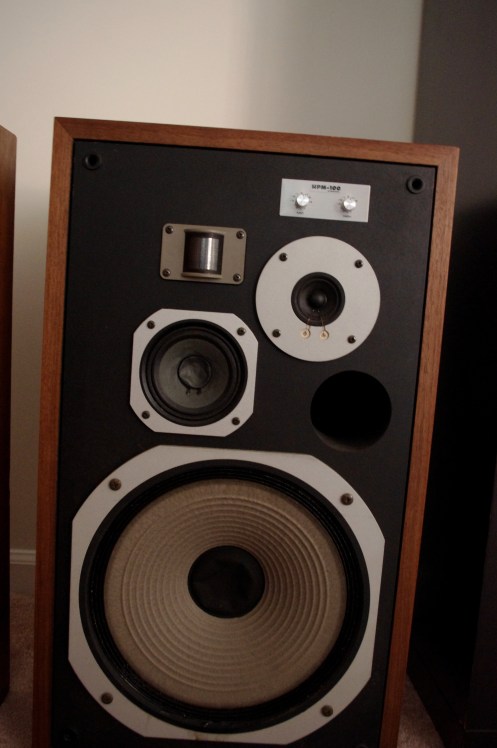
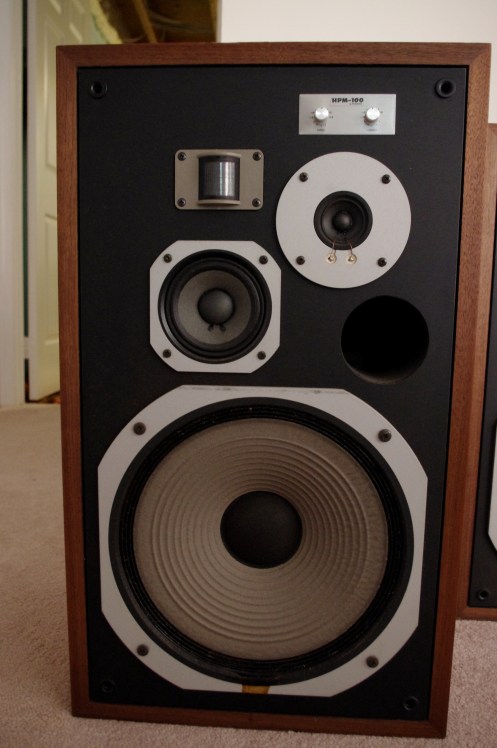
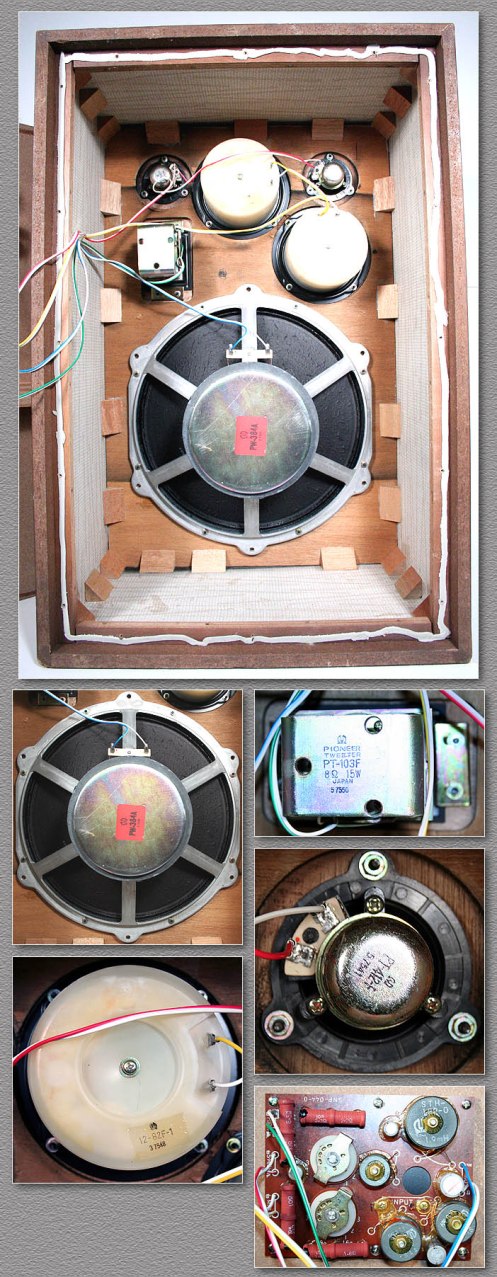
They looked awesome – the definition of form closely following function – massive black-faced boxes crammed with space-aged drivers – composite woofers in cast baskets, supertweeters, specially-designed ports. I put them on my ‘bucket list’ and kept on looking, expecting that I would never see a pair in my price range.

Pioneer HPM 100 1

Then lo and behold one appeared on the local CL for cheap- I phoned immediately and arranged to buy. It ended up being a few weeks before I could take possession- the seller initially agreed to deliver but could never make it out to me so I eventually drove the hour or so to his house.

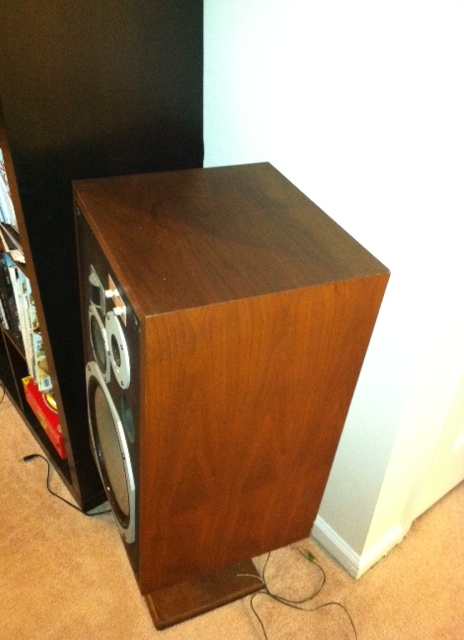
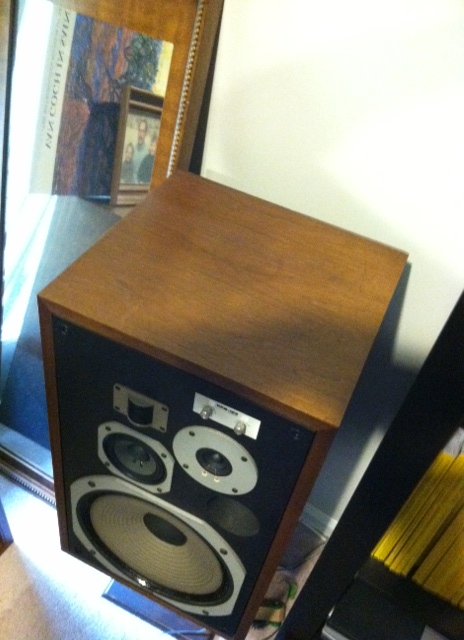
These 100s were survivors – they were water stained, beat up, and it looked to me that dark beer or some syrupy cocktail had been spilled down the faces – there was gunk all over the fronts and on the woofers. But the cabinets were sound, the veneers in surprisingly good shape, and all drivers accounted for and operational. The grilles were also all there, albeit pretty gunky.

photo 1 photo 2

I brought them home and got to work. It took hours to degrease the grilles and I spent an equal amount of time cleaning the cabinets, applying restore-a-finish and waxing. They really came back to life – it’s amazing what kind of abuse good veneers can kick off with some tlc.

When I plugged them in I was in for a surprise. At first I put them in my long, narrow living room and ho0ked them up to my Pioneer SX-9000, right where the pioneer CS99aas had been and where a nice set of Polk Monitor 7s was currently doing duty.

They sounded almost exactly like my CS99aas. hmm. Polite, warm, giving up some sparkle and imaging to the Polks.

What was going on?

Acoustics.

When I finally took them into my carpeted basement and put them up on stands the sound was completely different – the bass was more defined, the highs crept up too, and the imaging was much improved. They still had a familiar Pioneer warmth in the midrange but the whole presentation was much more gratifying. In the basement I A/B compared them with a pair of Polk Monitor 10s I also recently purchased (more about them later) and even though the 10s were on paper more impressive and had some better imaging, I always went back to the HPMs – they were maybe less precise but more rewarding to listen to.

Pioneer HPM 100 2

It’s a lesson the HPMs taught me and that I’ve learned time and time again – the sound you hear is just as dependent on the room and speaker placement as it is on speaker, amplifier, and source. And my living room presents a big challenge to speakers. We use a living room and dining room as one large salon – it ends up being 20+ feet long and 12 feet wide, with an arch in the middle separating the living and dining spaces. Speakers go up against one short wall. Sound has to carry through both rooms. I’ve found that the arch in the middle does no favors to speaker performance. And the short wall doesn’t leave a lot of room between the speakers to improve stereo imaging. And of course aesthetics mean I can’t keep the speakers too far off the wall either. All of these factors conspired to make the HPMs sound crummy. Others sound better, some even worse. The Monitor 10s and some Boston A200s I have (yet another post to come) were ill-served; my current set of Klipsch KG4s (stay tuned!!) do a pretty good job there.

My bottom line – don’t pass judgement on any speaker until you’ve demoed it in at least two different environments, with different placements, and if possible, different amplification. You may be very surprised.

I enjoyed them most when using them almost as near-field monitors – when about 3-4 feet back from the speakers and on low volume the high efficiency of the 100s (around 93-94 db/watt) made them very detailed. Imaging was at its best in this configuration as well.

I could have held on to those HPMs forever. I really wanted to. Maybe I should have, I really really liked them. But in the end I had a ton of other speakers I was listening to and these were gathering dust in the corner, so they went on to a happy enthusiast who listens to them every day.

Pioner HPM 100 4

I still have a pretty big stable of speakers to enjoy, restore, and play around with but if another pair of HPMs comes along I’ll definitely pick them up.

IMGP9168 IMGP9161 IMGP9160 IMGP9163 IMGP9162

Biiiig Guns – Pioneer CS63DX

•December 16, 2012 • 2 Comments

parlantes-pioneer-cs-63dx-1312527387

The CS99AAs hadn’t been gone more than a month when I started to miss them – they were beautiful, real furniture-grade equipment. And you usually don’t find them in such nice condition.

Maybe that was part of the reason why I jumped on a pair of Pioneer CS63DXs that popped up on the local Craigslist.

These were a ‘big fish’ for me – the 63s were the top of the Pioneer CS line in the early 1970s – they sat above all the rest you usually see in Goodwills and estate sales – the 66s, 77s, and 99s that the proletariat sported.

These were the real deal. The stats made for some serious hardware: 15″ woofer, 2 5-inch midrange, two super tweeters and one horn. Massive walnut veneer cabinet 28″ x 18″ x 13″. 63lb apiece. 80w rms.

The grilles were screwed on. I propped these up a bit with fashion magazines to get them pointing at me. Don't know if that made any difference.

The grilles were screwed on. I propped these up a bit with fashion magazines to get them pointing at me. Don’t know if that made any difference.

In person they looked larger than life, and they felt as heavy – you don’t want to move these around more than you have to. The nice couple I purchased them from had had them from new – once again I think the gentleman bought them at a PX overseas and brought them back along with a number of Sansui speakers. They lived a good distance from my house but regularly came into my city for salsa dancing. They were kind enough to stop by one night on their way to a night of dancing and we pulled them out of the car.

How did they sound? Polite, ironically. They’re extremely efficient, around 99db/watt, so you don’t need a lot of power to get them jumping. But they also rolled off at the top and the bottom, giving them a warm and vintage sound. I’ve heard other speakers in the Pioneer CS line that were harsher on the top than these, even though I guess that all the Pioneers CS line (77,88,99, pre-a models) likely used the same horn, which I’ve found to be unpleasant in some situations. Maybe these 63s had worn capacitors which toned things down a bit. Or maybe the whole setup was more elegant – could be.

Inside the CS63DX. Not my photo- credit Oak Tree Vintage

Inside the CS63DX. Not my photo- credit Oak Tree Vintage

In the end I had more fun polishing the perfect cabinets and staring and their massiveness than I did listening to them. That couldn’t do. So after a while when other better-sounding but uglier speakers began getting all the air time I decided that these had to find another home. In the end I sold them to a nice young man who scouted the local area for vintage stereo gear to pack up and re-sell in Vietnam, Japan, and China.

IMGP8501

At first I found it supremely ironic that these gentle giants, which had likely been purchased on a base in Korea, Vietnam, or Japan, were now going back. But then again maybe that’s good karma.


In and Out: Polk Monitor 4.2

•December 16, 2012 • Leave a Comment

IMGP8270

After picking up my first set of trashed Polk Monitor 7s I was continually on the lookout for more – I had the bug. Polk monitors are pretty common where I live outside of Washington DC, perhaps because of our close proximity to Polk’s home of Baltimore. But it wasn’t long before I found a nice guy looking to sell a nice pair of Polk Monitor 7cs along with a pair of Polk Monitor 4s. I picked up both pairs, along with a pair of original wooden stands for the 7s.

A note on the stands – getting the Polk 7s off the ground was the biggest improvement in their sound ever. Before reading the enthusiast blogs I had never considered that speakers needed to be elevated or taken off the ground for proper sound, especially big ones! My entire life, people had pushed massive speakers into corners on the floor. Who knew what they were doing!

The stands helped me understand that sound is 50% speaker, 50% speaker placement. Even the same speaker sounds different in the same room depending on how it’s angled and set. The Polks gained bass and definitely gained imaging accuracy on their stands, which are tilted back at a slight angle.

Anyways, the 4s….

They’re built much like the other Polk Monitors, with a 6.5″ ‘midbass driver’ and a tweeter in a heavy laminated enclosure. The tweeter is different than the bigger Polkies, however – this is an sl1500, and it looks different too – more like a JBL titanium driver of the era than a Polk soft-dome. The 4s are ported too, not sealed with a passive radiator like the 5s and 7s. Later on I learned that the 4 was a continuation of the Polk 5JR line, which at one point made 2-way ported designs like the 4, and at another time came with a small 6″ passive radiator – I now use one of those 5jrs with the passive radiator as the center channel in my HT setup.

IMGP8272


The 4’s sound deviated little from the standard Polk sound. Without the passive radiator it didn’t go as low and it seemed to me that it needed a lot more power to produce good sound, almost sounding congested at lower watts. I was really surprised at that – I thought a smaller speaker would be more watt-friendly. I was wrong.

7s and 5s together

7s and 5s together

I kept these for some time but with the 7s around I really had no use for them. They went on to another happy camper for use in the solarium.

Nikees? Pumaz? Pioneer CS99AAs?

•December 14, 2012 • Leave a Comment

        Pioneer CS99aa 1

I used to live overseas in my younger and more adventurous days, and I saw a large number of clever copyright violations, hacks, and end-runs – sports apparel from Nikee, button down shirts from Tommy Hillclimber. They always looked good from 10 feet but if you got close or touched them you saw things fell apart in the details – crummy non-operating zippers, no lining, 100% synthetic fabrics, etc.

When I first came across these CS99AAs at another estate sale I didn’t know what to make of them, literally. I had never heard of CS99AAs and never ever saw them mentioned online.

IMGP7460 IMGP7456

I knew the CS99As – built like a tank, 6 drivers, indestructible fiber woofers and surrounds, beautiful veneers and grilles. They have a unique sound and are highly sought-after by vintage mid-fi folks.

But what were these? Intrigued, I took them home. Picking them up, the first thing I noticed was how (comparatively) easy they were to hoist into the car – while the 99As felt like they were hewn from solid walnut, these were definitely lighter.

Getting them home, I opened up the grilles to take a look inside. These were obviously a different family from the other Pioneer CS speakers I had known – here was a 15″ woofer, 4″ midrange and 1/5″ tweeter, all with foam surrounds, set in a ported enclosure. Things were getting weird.

IMGP7457

So I went back to the internet. All I could find was that evidently the 99AAs were produced in the very late 1970s and early 1980s and sold at PXs overseas. Some folks raved about them, but there weren’t many at all that knew anything about them.

This pair looked to be in pretty good shape. The cabinets were spotless. The speakers and mid and treble adjustment dials worked too. They had the crummy little Pioneer spring wire posts on the back, but they were all there and operable. The only issue was that the tweeter surrounds were going stale – the foam surrounds were dry and beginning to crack. Neither one had any sound issues, and they looked to be whole. But I knew that they would a pain to fix in the future.
IMGP7458

IMGP7462

I cranked them up and they sounded fine. Actually they sounded pretty much like my CS99A – warm, with a rich midrange and treble, rolling off at the top and the bottom. For an imposing 15″ woofer, there wasn’t tremendous bass, but if I cranked it it got low. With the exception of the wonky tweeter surrounds, I don’t think this 3-way gave up almost anything to its heavier, much more complicated, and much more expensive older brother the 99A.
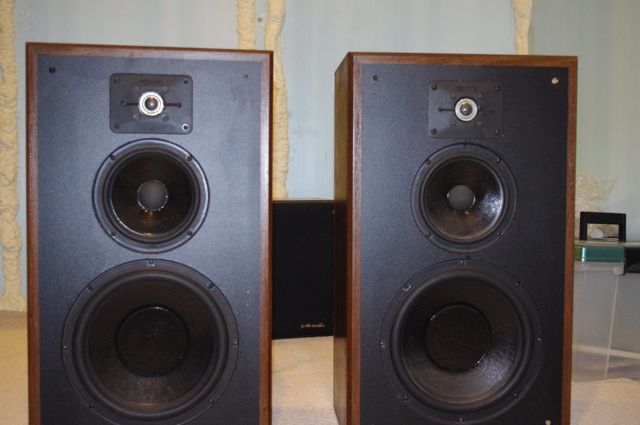
I actually ended up using them in a tower configuration with my Polk Monitor 7s for tv duty – I turned the dials for the treble and mids on the 99AAs all the way down to make them into quasi-woofers and let the Polks handle everything else.

In the end these went to a family with vintage Pioneer gear all over the house. They were very happy.

Cute, but do you bring her home? – Sony STR-7065

•December 14, 2012 • 4 Comments

Sony STR 7065 2 crop

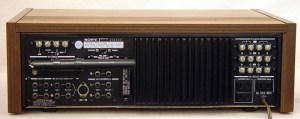
Another orphan estate sale find, I fell in love with this heavy silver-face receiver the minute I laid eyes on it – this Sony STR-7065 was Sony’s top of the line receiver in the mid 1970s. It had that aircraft-grade aluminum and real-glass controls and display, a beautiful lit radio display, and a handsome and optional full wood outer case. It was backed into a corner jammed under a late model Radio Shack record player. I snapped it up before anyone else could notice. It looked so good!
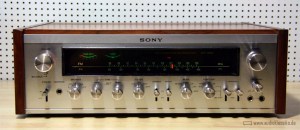
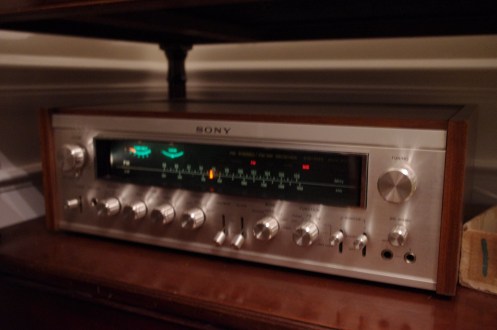
Until I got it home and turned it on. No sound, half a light in the tuner dial. And it smelled. I opened the case and dumped out what looked like rat turds and cigarette ash. The inside was dusty, musty, and very dirty. I dutifully cleaned all of the knobs and switches and replaced a lamp in the tuner section and put it back together, but not without knocking the rare wood cabinet on the floor, which promptly shattered into 20 pieces. Out came the wood glue.

Back together and dry, my second attempt to start this beast up (must weigh 45 lb) was successful – all the lights worked and sound came strong out of both channels. Hooked up to the CS99aas, the sound was strong and balanced. It was very similar in tone to my Pioneer SX9000 – perhaps the imaging was a bit less strong but the bass was slightly tighter and the range higher. And boy did it look great!

Sony STR 7065 4

There were only two problems – a hum and the smell. My thorough cleaning couldn’t absolve this Sony of its past dirty life – whenever it was on it emitted a strong burnt dust/urine/plastic smell. And there was always a low hum coming through both channels. I began to think this receiver had some bad karma, and I relegated it to museum status while the SX9000 plugged away happily. Given more patience and technical expertise, I would have tried to work through the big Sony’s electrical gremlins myself, but this amp found a home as an extra parts unit for another Sony collector. Maybe it was better that way – compared to the relatively clean and orderly innards of my Pioneer, the Sony was a warren of wires and connectors spaghetti-splashed all over the place. Realistically, it was never going to get any better with me as the owner.

Sony STR 7065 3

I still keep my eye out for these when I can. The sound was amazing, and its styling was honest and attractive.

sony str 7065 1

IMGP8493

The beginning of an obsession – Polk Monitor 7

•November 16, 2012 • Leave a Comment

By now I had a small but growing stable of vintage gear in my house – a couple of old and heavy receivers, two pairs of esoteric multi-driver speakers in heavy wood cabinets, and one forlorn Pioneer CS99A doing double duty as a lampstand. 

While taking a quick look through our local second hand store, I came across a couple of very beat-up floorstanders. They were naked without grilles, and the finish was scratched and beat up. The faces showed three drivers – a tweeter, midrange, and woofer. They were caked in dust residue – the tar-like tacky dust that builds up when regular dust gets comfortable and sits on a surface for many years. I looked on the back and saw Polk Monitor, but no model number. A quick Google search on my phone indicated these were likely the Model 7 and that people liked them. I forked over $24 at the counter and took them outside. 

Image

When I hooked them up do the Realistic receiver in my basement I was blown away. Almost literally. It was as if I was only hearing recorded music for the first time. I put in the soundtrack to the Thomas Crown Affair remake (don’t laugh, there’s a lot of fun music in that movie) and hit play. When I closed my eyes I could see the musicians! I could place them around the room! I felt the beat, and the emotion! 

From then on I was spoiled. Now I knew what all the guys on the forums were talking about when they talked about ‘presence’ or ‘imaging’ or ‘depth’. 

AHA!

The fact that they looked like they had been fished out of a dumpster was the only thing that kept them from going into my main stereo rig. But it also meant that when I wanted to be wowed I would come downstairs and listen to the Polks. 

In addition to being amazing speakers, the 7s pair well with almost any amplifier to make great sound – they really liked my Pioneer SX-9000, which was not the case with all speakers.  Some amps tend to bring out the harshness in the upper ranges, which the Monitor 7cs with their SL-2000 tweeters are known for. Funnily enough, that was most evident with a Pioneer SA-6500ii integated amp, which is perhaps one of the most laid back amps I have ever listened to. 

Image

Those dumpster 7s were the beginning of my hi-fi obsession, even more than any of the other cool gear I had accumulated. Before I was into the ‘neat’ factor of the shiny old gear. But now I knew what good hi-fi could feel like. And I was never going back. 

Since then I’ve had almost every model of the Polk Monitor family through my house. I’ll write about my impressions of the others in future posts. Many of them are never leaving. 

Image

In addition to making great speakers, I’ve found that Polk has a lot of great fans out there. The Polk Forum is full of some of the nicest, most helpful folks you’ll ever meet in the audio hobby – true enthusiasts with a lot of passion. Along the way I’ve learned a lot about music, speaker and amp restoration, and much more from them. Just a great community.